
When DFW car owners start researching paint protection film near me, one of the first questions that comes up is not whether to get PPF — it is how much coverage their vehicle actually needs. Clear bra, partial PPF, full body wrap — these terms get used interchangeably online, but they represent very different levels of protection, investment, and long-term value. Choosing the wrong coverage zone means either overspending on protection you do not need or leaving vulnerable panels exposed to the harsh Texas road environment. This guide breaks down each option clearly so you can make the right decision for your vehicle and your budget.
What Is a Clear Bra?
The term clear bra originally referred to a vinyl bra — a physical cover placed over the front of a vehicle to protect against rock chips. Modern clear bra installations are entirely different. Today, a clear bra refers to a partial paint protection film installation focused on the front-end impact zones of a vehicle — specifically the hood, front bumper, fenders, and side mirrors.
These are the panels that take the most direct punishment on Texas highways. Rock chips, road debris, sand, and insects hit the front of your vehicle at full speed every time you drive. In the DFW area, highway construction on I-35, I-30, and Loop 820 means gravel and debris on the road are a near-constant reality. A clear bra targets exactly those high-impact zones with a self-healing, optically clear film that absorbs damage so your paint does not have to.
A standard clear bra package typically covers:
- Full hood
- Full front bumper
- Both front fenders
- Side mirrors
- Headlights
Some installers offer a partial hood option that covers only the leading edge, but a full hood installation is generally recommended for Texas vehicles due to the extreme UV exposure the entire hood surface receives year-round.
What Is Partial PPF?
Partial PPF expands beyond the front-end impact zones to include additional panels that are frequently damaged in everyday driving. While clear bra protects against what hits your car from the front, partial PPF also addresses what happens on the sides and rear — door dings in parking lots, debris kicked up by passing vehicles, and wear points around handles and door edges.
A typical partial PPF package in DFW includes everything in a clear bra installation plus:
- Door cups and door edge guards
- Rocker panels
- Rear bumper
- A-pillars and roof leading edge
- Partial rear fenders
This coverage level is the most popular choice among everyday drivers in Texas because it addresses the statistically most-damaged areas of a vehicle without the cost of a complete installation. For someone driving a new truck, SUV, or sports car daily on DFW roads, partial PPF delivers the strongest balance of protection and value.
What Is a Full Body PPF Wrap?
A full body PPF installation covers every painted panel on the vehicle — from the roof and doors to the rear bumper, trunk lid, door jambs, and even the rocker panels beneath the doors. No painted surface is left exposed.
This level of coverage is the strongest available and is typically chosen by owners of luxury vehicles, exotic cars, brand-new trucks, and anyone who wants absolute peace of mind regardless of cost. In the DFW area, full body PPF is common on high-value vehicles like the Ford Raptor, Porsche 911, BMW M3, and Range Rover, where paint correction and respray costs are significant enough to justify complete film coverage.
Full body PPF also makes the most sense for vehicles with particularly vulnerable paint — softer factory finishes, complex multi-stage paint like matte or satin finishes, or special-order colors that are expensive or impossible to perfectly match at a body shop years later.
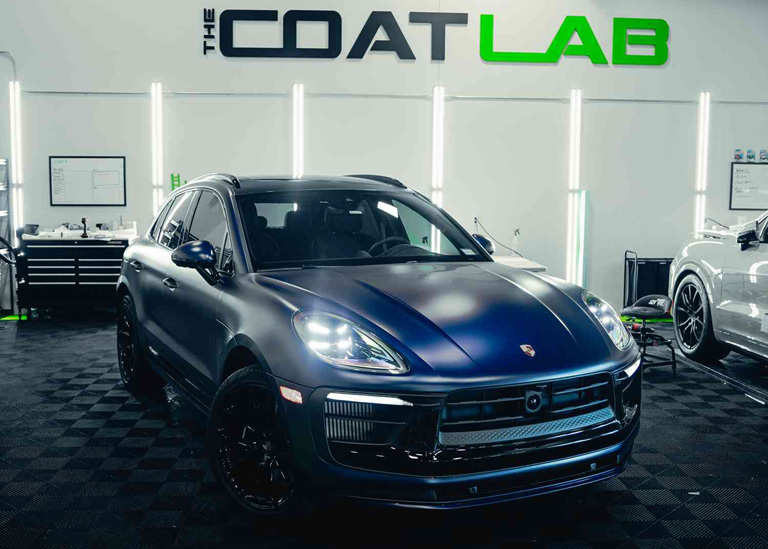
Side-by-Side Comparison: Which Level Is Right for You?
Here is a direct breakdown to help you decide:
Clear Bra — Best for: Drivers on a defined budget who want meaningful front-end protection for a daily driver. If your primary concern is rock chips and highway debris, a clear bra addresses the panels most likely to be damaged without a large upfront investment.
Partial PPF — Best for: Owners of new or near-new vehicles who drive regularly in urban and highway environments. Partial PPF covers the areas most commonly damaged in everyday Texas driving — including parking lot door dings and rear bumper scrapes — and represents the strongest value proposition for most DFW drivers.
Full Body PPF — Best for: Owners of luxury, exotic, or high-value vehicles where protecting the entire investment matters. Also ideal for new vehicle purchases where the owner plans to keep the car for many years and wants to maintain factory paint condition throughout. If you are financing a $70,000 truck or a $120,000 sports car, the cost of full body PPF is a fraction of a single panel repaint.
Does Your Vehicle Type Affect Which Coverage You Need?
Yes — significantly. Vehicle type, color, and daily use all influence the right coverage level.
Dark-colored vehicles — Black, dark grey, navy, and deep metallic finishes show rock chip damage more visibly than lighter colors. On a black vehicle, a single rock chip on an unprotected door panel is immediately obvious. Partial or full body PPF is strongly recommended for dark paint in Texas.
White and silver vehicles — Lighter colors hide minor rock chips better, making a clear bra a reasonable starting point. However, paint correction costs are the same regardless of color when panels eventually need to be addressed.
Trucks and SUVs — Taller ride heights and wider bodies mean more surface area exposed to rocker panel debris, door dings, and tailgate scuffing. Partial PPF with rocker panel coverage and a full rear bumper film is strongly recommended for trucks used regularly in Texas.
Daily drivers vs. weekend vehicles — A vehicle driven five days a week accumulates damage significantly faster than a weekend car. Daily drivers in DFW benefit most from at least partial PPF coverage across all high-contact zones.
The Coat Lab Approach to Coverage Recommendations
At The Coat Lab in Roanoke, TX, we never apply a one-size-fits-all recommendation. During your consultation, we evaluate your specific vehicle, your daily driving patterns, your budget, and your long-term ownership goals before recommending a coverage level. Our team will show you exactly which panels are most vulnerable on your particular make and model, explain what each coverage tier protects against, and give you a transparent breakdown of what is included at every level.
Whether you are starting with a clear bra on a daily commuter or protecting every panel of a brand-new luxury vehicle, the goal is the same — keep your paint looking exactly as it did the day you drove it off the lot.
Frequently Asked Questions
Q: Can I add more PPF coverage later if I start with a clear bra? A: Yes, PPF coverage can be expanded at a later date. However, there are practical considerations — new film installed next to older film may show slight differences in gloss level or texture depending on the age and wear of the existing installation. For the cleanest result, it is always preferable to decide on your full desired coverage at the time of initial installation. That said, starting with a clear bra and expanding to partial or full coverage later is a common and perfectly viable approach.
Q: Is full body PPF visible on the car? A: When installed correctly by a trained professional using a premium film, full body PPF is virtually invisible on the vehicle. High-quality films like STEK Dyno and SunTek offer exceptional optical clarity that preserves your paint’s depth and gloss. The only way to detect the film is typically by looking at panel edges at a specific angle in strong lighting. Poorly installed film using budget materials, however, can show orange peel texture, hazing, or visible edges — which is why installer quality matters as much as film brand.
Q: Does PPF affect the resale value of my vehicle? A: PPF consistently has a positive effect on resale value. A vehicle with a well-maintained full or partial PPF installation will have significantly cleaner paint than a comparable unprotected vehicle of the same age and mileage. In the Texas market, where rock chip damage and UV paint fade are common, buyers and dealers recognize well-protected paint as a meaningful value indicator. Some buyers will pay a premium specifically for a vehicle with an existing quality PPF installation from a reputable installer.
GET A QUOTE TODAY
Call The Coat Lab at 888-966-9456